
Low Level Storage
Our collection of low level storage units is designed to help nurseries, preschools and early years settings create organised, child-friendly learning environments. With resources stored at an accessible height, children are encouraged to choose, use and return equipment independently, supporting confidence and self-directed learning throughout the day.
Our low level storage furniture is ideal for organising books, toys, construction resources, loose parts and everyday classroom materials. Manufactured from high-quality materials and built for the demands of busy early years environments, each unit combines durability with practical design to provide reliable nursery storage that lasts.
Low level furniture also helps practitioners create clearly defined learning areas while keeping resources visible and easy to access. Whether you’re furnishing a new nursery or updating an existing classroom, our range of storage units provides flexible solutions for every setting.
If you require additional capacity, browse our Tall Storage collection, or return to our main Storage Units category to explore the complete range. You may also be interested in our Book Storage & Display and Baskets & Tubs collections to create a fully organised learning environment.
-
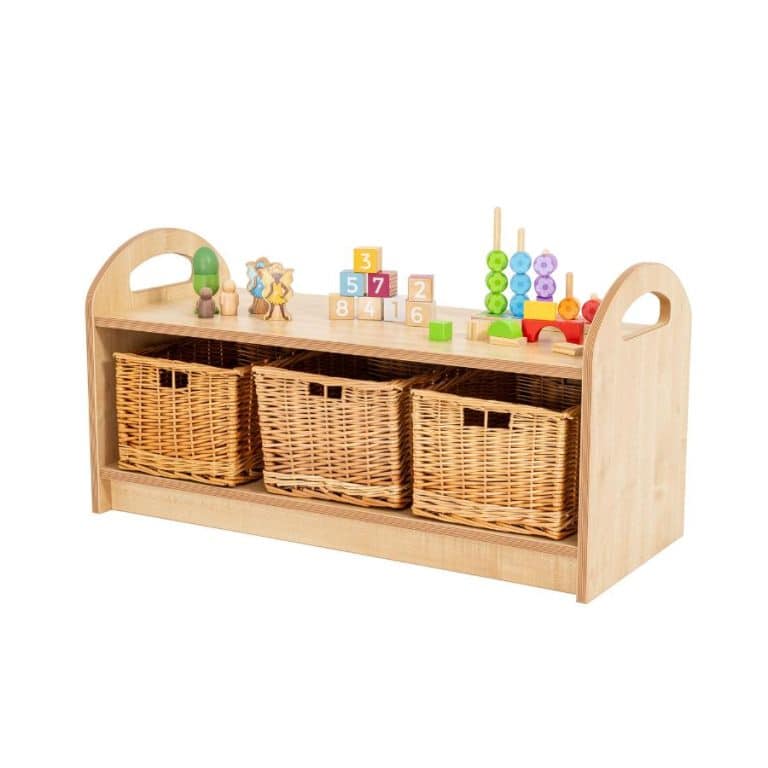 Low Level Storage
1 Tier Storage
Price range: £272.72 through £341.19 Select options This product has multiple variants. The options may be chosen on the product page -
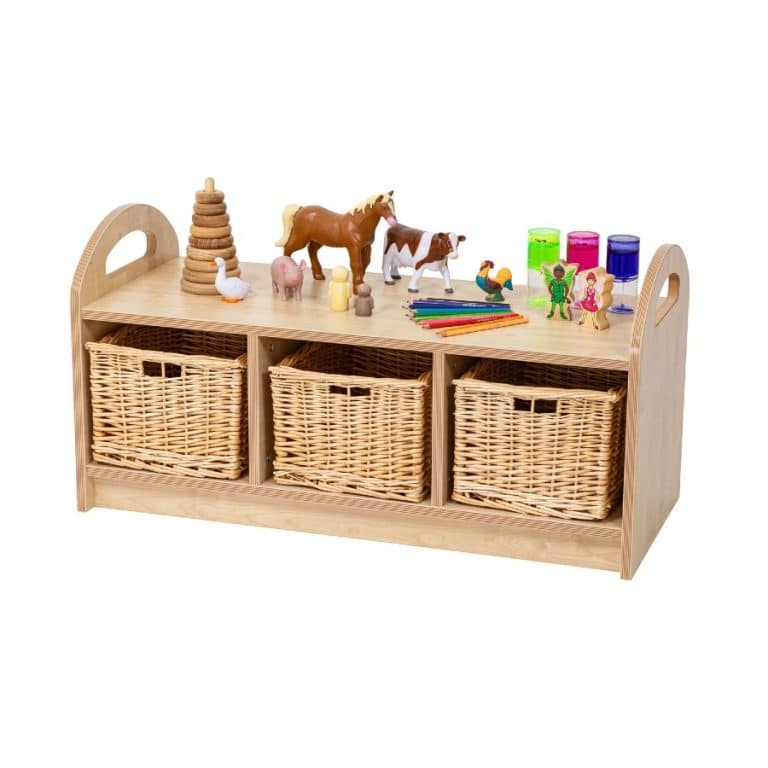 Low Level Storage
1 Tier Storage – with Back and Dividers
Price range: £284.13 through £364.01 Select options This product has multiple variants. The options may be chosen on the product page -
 Bohemian
Bohemian One Tier Storage Unit
Price range: £272.72 through £341.19 Select options This product has multiple variants. The options may be chosen on the product page -
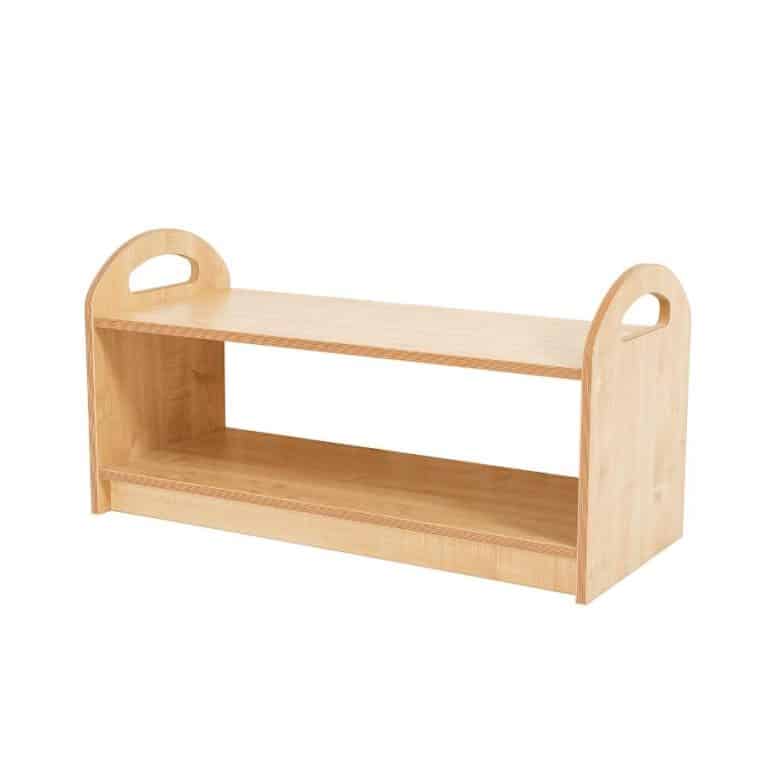 Low Level Storage
Classic Pioneer Low Level Open Unit
Price range: £261.31 through £329.78 Select options This product has multiple variants. The options may be chosen on the product page -
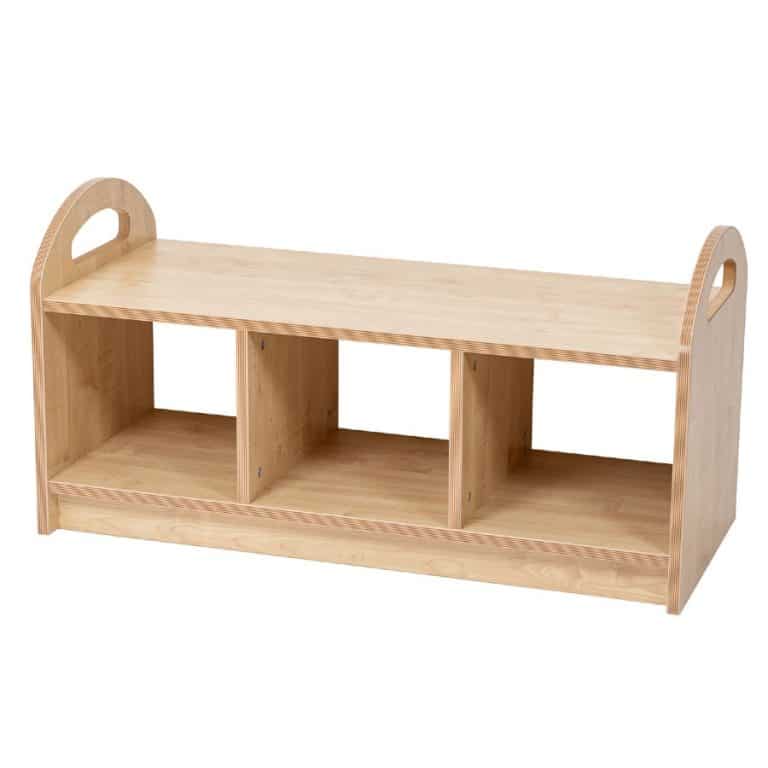 Low Level Storage
Classic Pioneer Low Level Unit – with dividers
Price range: £272.72 through £341.19 Select options This product has multiple variants. The options may be chosen on the product page -
-
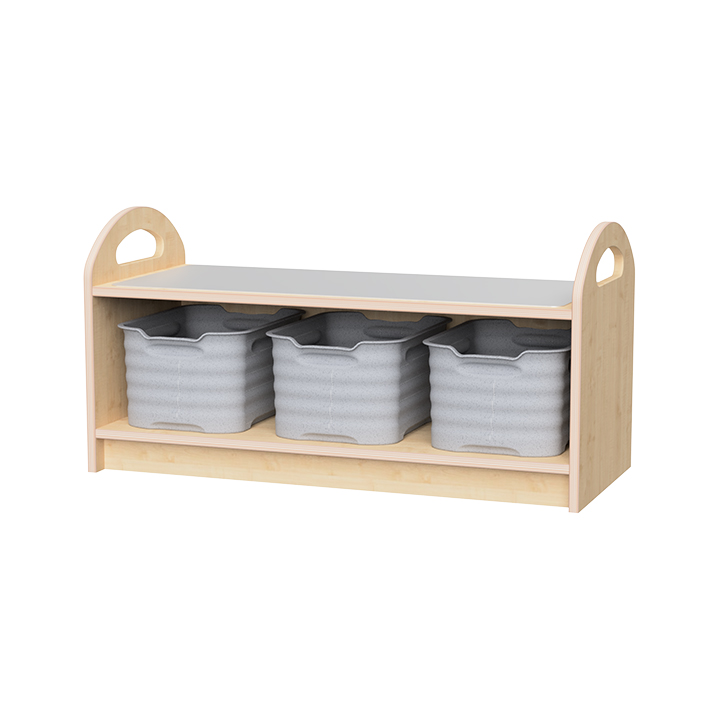 Low Level Storage
CloudCubby® Pioneer Mirror Surface Low Storage
£378.22 Select options This product has multiple variants. The options may be chosen on the product page -
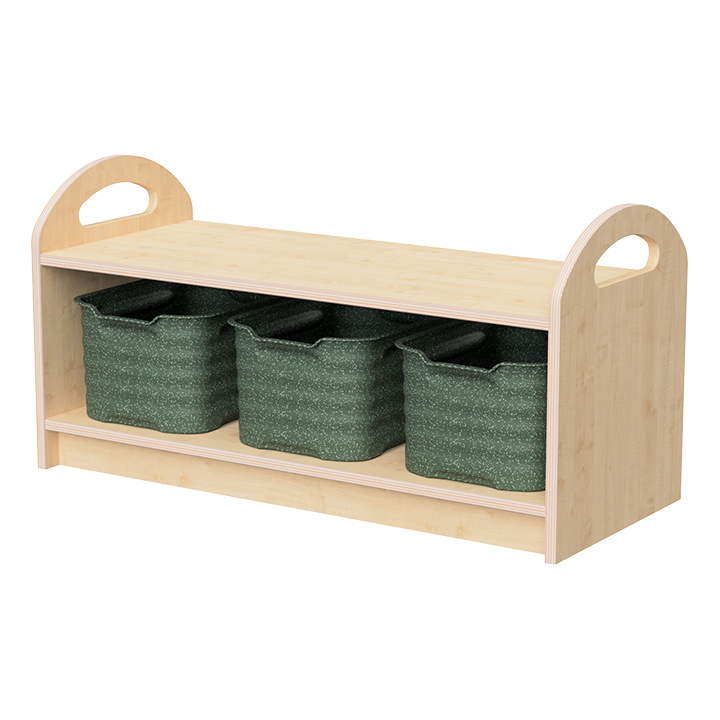 Low Level Storage
Cloudcubby® Pioneer One Tier Open Shelving Unit
£309.75 Select options This product has multiple variants. The options may be chosen on the product page -
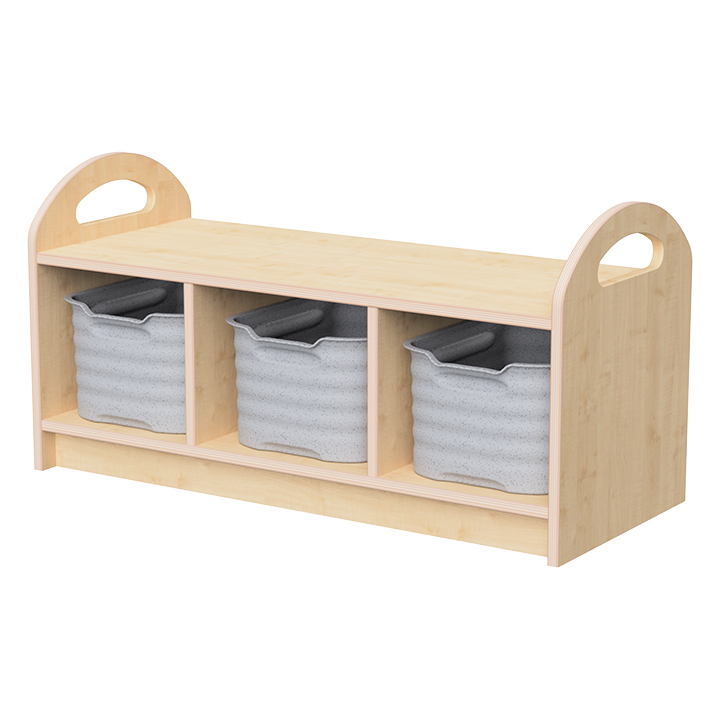 Low Level Storage
CloudCubby® Pioneer One Tier Shelving Unit with Dividers
£321.16 Select options This product has multiple variants. The options may be chosen on the product page -
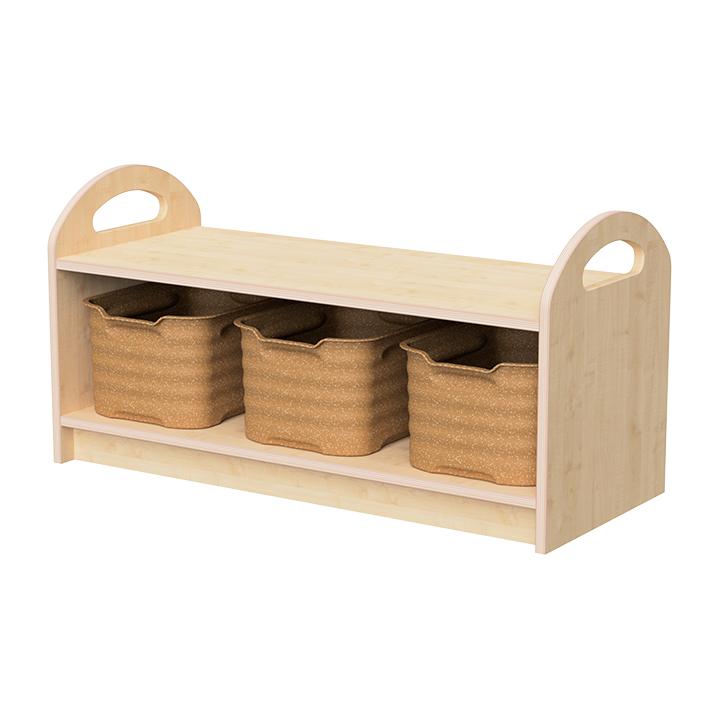 Low Level Storage
Cloudcubby® Pioneer One Tier Storage Unit
£321.16 Select options This product has multiple variants. The options may be chosen on the product page -
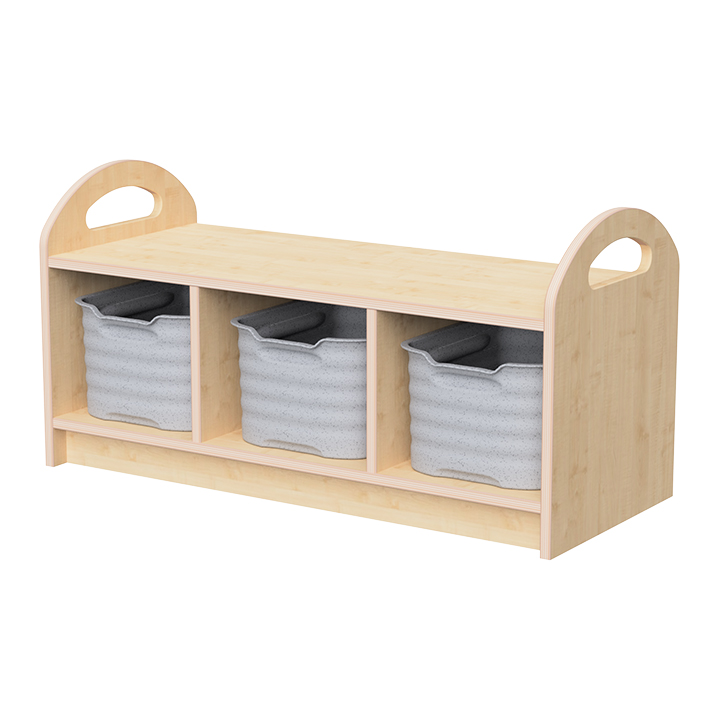 Low Level Storage
Cloudcubby® Pioneer One Tier Storage Unit with Back and Dividers
£332.57 Select options This product has multiple variants. The options may be chosen on the product page -
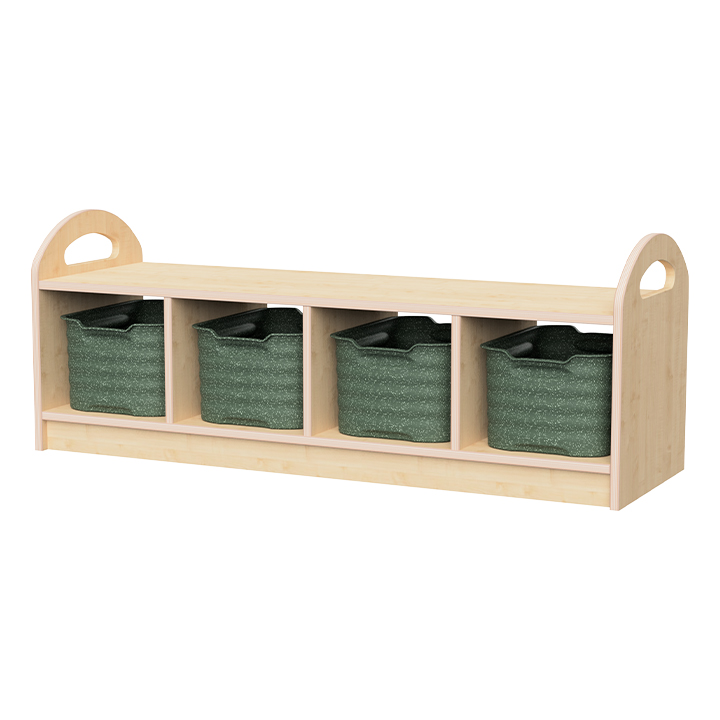 Low Level Storage
CloudCubby® Pioneer Wide One Tier Open Shelving Unit
£370.47 Select options This product has multiple variants. The options may be chosen on the product page
Frequently Asked Questions about Low Level Storage
-
Are baskets or tubs the best storage solution within units?
It really depends on what you are looking for, there are postitives and negatives to both solutions:
Wicker Baskets create a warm, homely feel for storing books and resources. However, they can be harder to clean and potentially don’t last as long due to the nature of the material.
Plastic tubs are great for storing messy items such as art and sand and water resources. They allow children to easily see what is being stored in them, but they can look more functional and less inviting.
In most settings a mixture of the two options is preferable.
-
Can low level furniture support physical development?
From a practical point of view, low units offer physical support for babies and toddlers to pull themselves up, balance and cruise.
Navigating pathways created by units will encourage children to negotiate spaces and move safely around, hence improving spatial awareness.
-
Can storage be easily adapted as children’s interests, needs and resources change?
Our furniture is all free standing, which enables you to change your room layout to suit your needs. Multi-purpose furniture acts as both room dividers and the focus of activities – particularly units with chalkboard, mirror and display surfaces. Our Mobile Storage Units offer additional flexibility where furniture needs to be moved between areas.
Good EYFS storage should be stable but not static. Children benefit from knowing where familiar resources are, whilst practitioners need the flexibility to introduce new things without destabilising the environment. Maintaining the same furniture whilst updating resources and decorations achieve this.
-
Does low level furniture create a calmer learning environment?
The simple answer is yes. Open, low-level shelving prevents the noise and clutter of deep, overflowing toy boxes and creates a more focused classroom. Low level units can be used to delineate areas, creating specific zones such as reading areas or home corners, children have a sense of security and purpose when areas are defined.
Our Reading Corner Storage range is a good example of how storage can form part of a dedicated learning zone.
-
How can low level storage enhance cognitive and mathematical skills?
Low level units make it easy for children to actively participate in ‘tidy-up time’ turning what could be a chore into active learning. When storage boxes and baskets are labelled with images or words, children learn to sort, categorise and match objects by type, shape or size.
Our Baskets & Tubs can be used within compatible storage units to help separate resources into clearly defined groups.
-
Why does low level storage encourage independence?
Children can see and reach resources without needing the assistance of an adult, leading to curiosity and allowing children to direct their own play. The ability to self-select resources will boost a child’s self-esteem – by enabling a child to choose, use and return items, they will gain a sense of competence and pride.